Reported · Entertainment
New Orleans Film Festival and Krewe of Boo! on tap for spooky weekend events
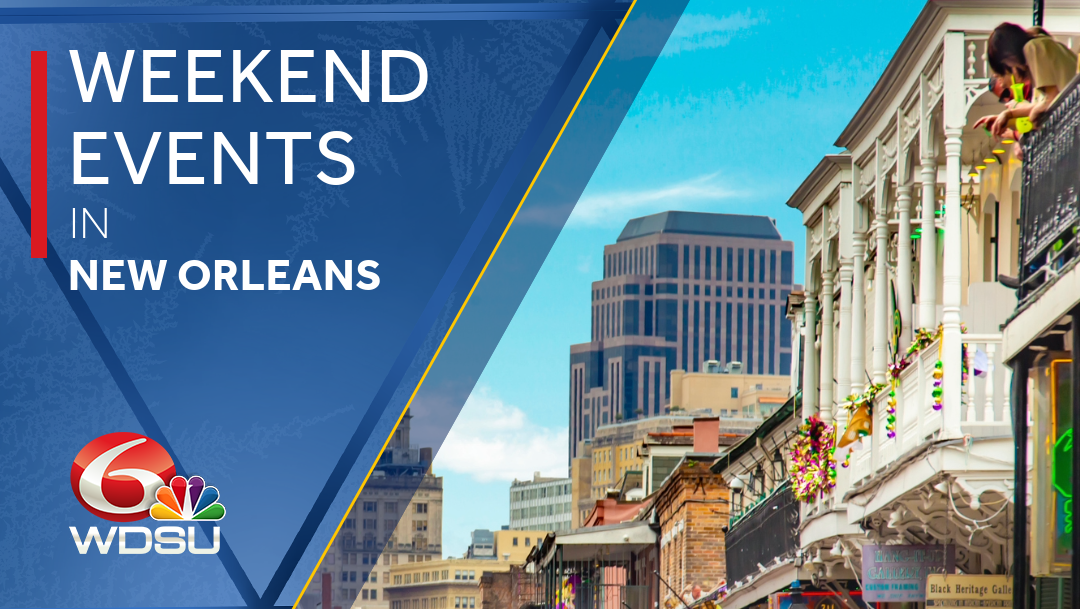
New Orleans is kicking off spooky season with many events from the New Orleans Film Festival to the Krewe of Boo! parade

EatDrama Local
New Orleans, Louisiana, United States
New Orleans, Louisiana.
Counties or equivalents associated with this area: Jefferson, Orleans.
Associated ZIP codes: 70112, 70113, 70114, 70115, 70116, 70117, 70118, 70119, 70121, 70122, 70123, 70124, 70125, 70126, 70127, 70128, 70129, 70130, 70131, 70139, 70141, 70142, 70143, 70145, 70146, 70148, 70150, 70151, 70152, 70153, 70154, 70156, 70157, 70158, 70159, 70160, 70161, 70162, 70163, 70164, 70165, 70166, 70167, 70170, 70172, 70174, 70175, 70176, 70177, 70178, 70179, 70181, 70182, 70183, 70184, 70185, 70186, 70187, 70189, 70190, 70195.
The Choctaw called the area Bulbancha, "land of many tongues." The French Mississippi Company under Jean-Baptiste Le Moyne de Bienville founded La Nouvelle-Orleans in the spring of 1718, on land traditionally inhabited by the Chitimacha, and named it for Philippe II, Duke of Orleans, regent of France. Enslaved Africans arrived in large numbers from the early 1720s, and the Code Noir of 1724 set harsh laws for their lives. An Afro-Creole culture grew up that gave rise to Louisiana Voodoo and the Louisiana Creole language. The Ursuline nuns arrived in 1727, and military engineers laid out the street grid of the Vieux Carre.
France ceded Louisiana to Spain in 1763, and residents rose against Spanish rule in the Louisiana Rebellion of 1768. Nearly all the surviving 18th-century buildings of the French Quarter date from the Spanish period, the Old Ursuline Convent being the main exception. During the American Revolution, Governor Bernardo de Galvez led a campaign against the British from the city in 1779. France regained Louisiana in 1800, and Napoleon sold it to the United States in 1803. Between 1791 and 1810 thousands of refugees from the Haitian Revolution arrived, white and free people of color, many with enslaved people. On January 8, 1815, Andrew Jackson's mixed force of militia, regulars, frontiersmen and Jean Lafitte's privateers defeated a British army in the Battle of New Orleans.
In late August 2005, Hurricane Katrina flooded more than 80 percent of the city and killed more than 1,300 people, and the population fell by more than half.
Sources
Wikipedia: New Orleans
No published community moments for this city yet.
New Orleans is kicking off spooky season with many events from the New Orleans Film Festival to the Krewe of Boo! parade

On Saturday, the Ogden Museum of Southern Art in New Orleans will give Francis X. Pavy its Opus Award which recognizes people whose life’s work has shaped the art and culture of t…

New Orleans actor Ja’Quan Monroe-Henderson woke up on Sept. 25 to find that two films he worked on last year in New Orleans had arrived in theaters on the same

A sold-out Oct. 14 event at the Historic New Orleans Collection demonstrates the partnerships the new LGBT+ Archives Project of Louisiana is pursuing with archives, libraries and …

“American Amazon” is a sweeping IMAX documentary narrated and executive produced by Jon Batiste that explores the diverse wetlands and wildlife of the Southern US, from Louisiana …

New Orleans cake artist Baindu Squire is one of nine contestants remaining on the 12th season of Food Network
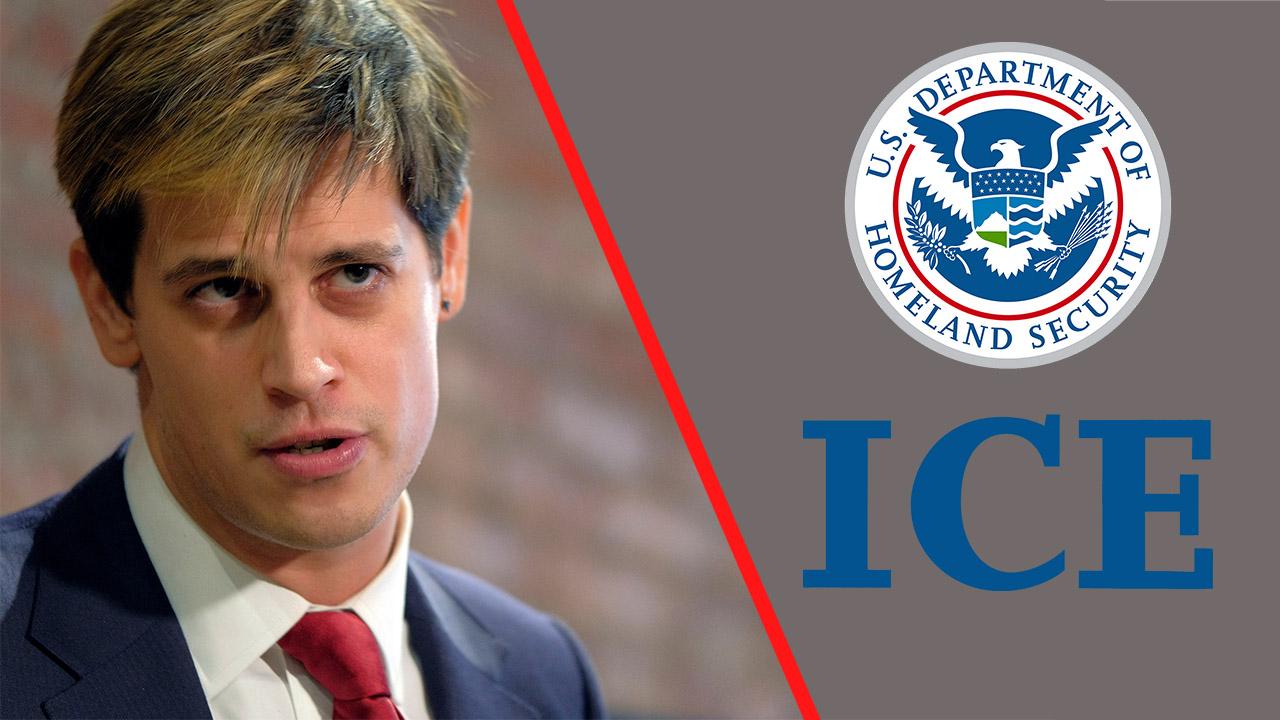
The British nationalist, who was also once Kanye West's bestie, was apprehended at the New Orleans airport and is being held in an ICE holding facility.

Dolly Parton died Tuesday. She had several connections to New Orleans and Louisiana from her first single to Steel Magnolias.
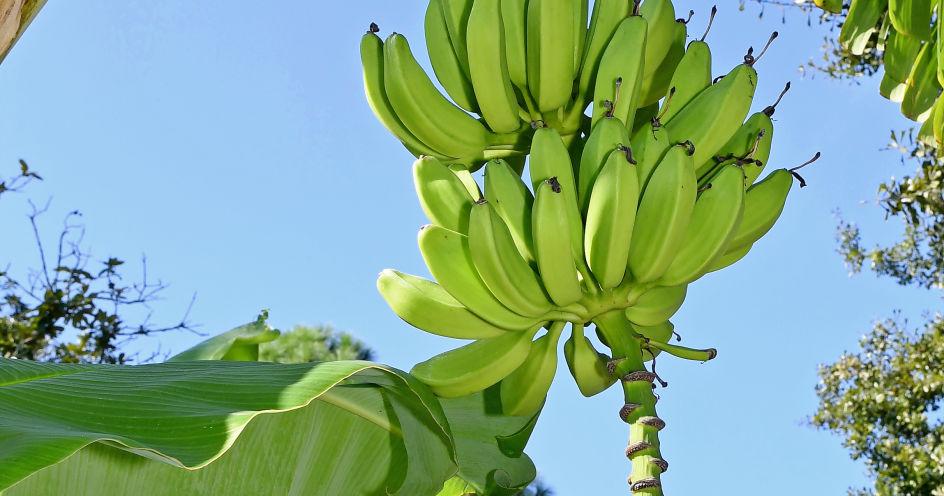
Banana trees (Musa x paradisiaca) are common in New Orleans landscapes. They are primarily grown for their tropical look with enormous leaves that gently wave in the summer breeze…
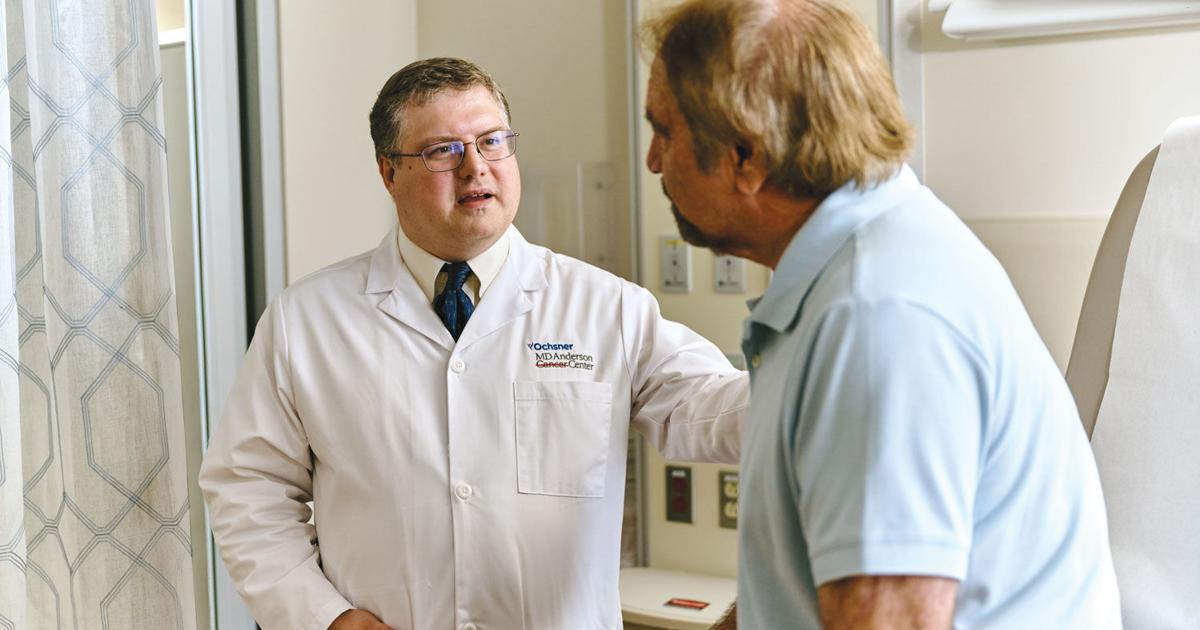
Guided by a commitment to compassionate care, innovation and discovery, Ochsner MD Anderson Cancer Center provides patients across south Louisiana access to world-class cancer tre…

Award-winning anchor Charisse Gibson leaves WWL Louisiana to join NBC4 Southern California, marking a new chapter in her journalistic career in Los Angeles.

So much that feels new with modern restaurant trends had an earlier iteration flowing from New Orleans.
If you know New Orleans, you probably know somebody in Gretna.